Every once in a while a simple question comes up on the Bruce Freeman Rail Trail… where do you get water?
If you use the Chelmsford section, you already know the answer. You bring it with you, or you know where to step off into town. That is how the older sections of the trail were built. The focus back then was getting the trail in place and getting people out using it, and it worked.
Now we are starting to see the next step.
I spoke with a member of BPAC, and they shared that there is interest in looking at ways to bring water access to rail trail users and to explore feasibility. That is a positive step.
The Chelmsford section is one of the busiest parts of the entire trail. On any given day you have walkers, families, and older residents all using the same corridor. Having simple, well-placed water options starts to matter more at that level of use. It helps people go a little farther, stay a little longer, and feel more comfortable using the trail.
A little history here matters. The earlier sections of the rail trail, including Lowell, Chelmsford, Westford, Carlisle, and parts of Acton, were built without dedicated water access. It was expected that users would bring what they needed or rely on nearby businesses and town centers. That approach made sense at the time and helped get the trail built.
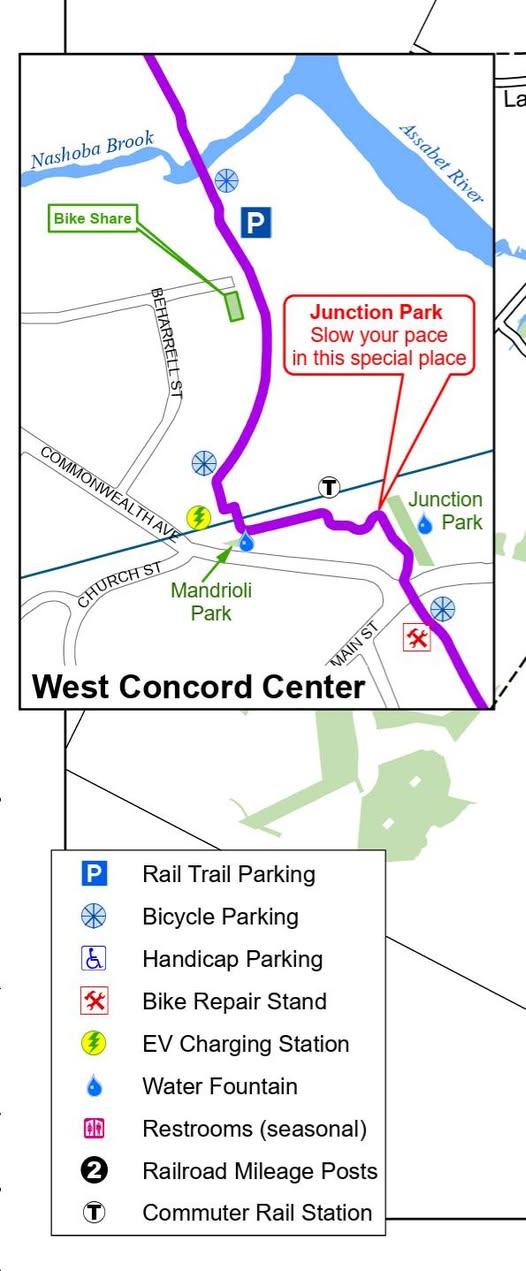
The newer sections are starting to reflect how the trail is actually being used today. In Concord, water fountains are already part of the trail and even shown directly on the official maps alongside things like bike repair stations. That is a clear shift. Water is no longer treated as an extra; it is part of the trail itself. Sudbury, as a newer segment, is being built with that same mindset as use and demand continue to grow.
There is also a bigger picture here. Right now most people are carrying plastic bottles. Shifting even a portion of that to refill options is a small change that adds up over time. Less waste, less impact on the land, and a more sustainable way to support how heavily this trail is used.
At this point this is early discussion and feasibility, which is precisely where it should start. It is good to see the conversation happening.
The next BPAC meeting is posted through the town and is open to the public, so if you are interested in this topic, it is a good place to listen in or provide input.
COSS will be following this closely and will provide updates as it moves forward.