Well, over the last few weeks Roberts Field keeps coming up, and residents are starting to talk. Nothing formal yet, just a lot of interest bubbling up in conversations. The park sits in Precinct 5, and with that seat contested this election cycle, it is reasonable to expect Roberts Field will become part of the public discussion. There are 8 people running for 5 seats. Two of the town’s major open spaces sit inside P5, Koulas Farm and Roberts Field. Both are top-tier open spaces. Both carry townwide importance. So here is some information to think about.
In 2017 the town approved a vision for Roberts Field that was about more than playgrounds and sports. It was about creating a civic green, a place where residents could gather without needing a ticket, a reservation, or a scheduled event. A place that simply belonged to the public.
On July 31, 2017, the Select Board unanimously accepted the Roberts Field Master Plan. That vote did not approve a single project or one construction item. It approved a long-term vision. At the center of that vision was the idea that Roberts Field could become a true gathering space for the town. A commons-style landscape designed for informal use, small community events, and everyday social life.
The plan described a defined civic lawn, intentionally shaped and framed so it felt like a destination rather than leftover grass. It imagined families spreading blankets, neighbors meeting casually, small performances, seasonal events, and residents using the park even when nothing official was happening. The goal was not heavy construction. It was thoughtful landscape design that supported public life naturally.
A key part of that vision was that the space could support small events and community groups, either informally or formally. Scout gatherings, neighborhood meetups, cultural groups, pop-up activities, civic clubs, small performances, seasonal celebrations, or simple drop-in community use. The plan recognized that a healthy commons is not space. It is a living space shaped by how residents use it.
That part of the plan was accepted in full. It was never rejected, reduced, or replaced. It is still the official planning direction on record.
To carry that vision forward, an advisory structure was created. A Roberts Field Advisory Board was formed to guide implementation and keep the long-term plan alive. A Friends of Roberts Field group helped support community involvement and energy around the site. For a time there was momentum.
Then activity slowed. Membership declined. Meetings stopped. The advisory board last met in January 2024. The Friends group disbanded. Not because the plan failed, and not because the need disappeared, but because the organizational structure faded away.
Today the physical park looks much the same in the gathering areas. The civic lawn envisioned in 2017 was never built. The passive use of landscape identity never fully emerged. Roberts Field continues to function mainly as a recreation site, not as the town commons it was approved to become.
But the important part is this. The plan never expired. It was never undone. The vision is dormant, not canceled. And the need for it has only grown.
Towns everywhere are rediscovering how important shared outdoor civic space is. Residents want places where they can gather without cost, without barriers, and without needing formal programming. A well designed commons strengthens social connection, supports community events, and gives a town a physical heart. Roberts Field was chosen to serve that role, and the town formally agreed to that direction.
What stopped progress was not policy. It was momentum.
That means the path forward is not complicated. The foundation already exists. The town does not need to reinvent the idea. It needs to reactivate the structure that carries it.
This can move forward in practical ways. The Select Board can reestablish an advisory body. Residents can organize a new friends group focused on passive use and civic programming. The town can phase in low-cost landscape improvements. A hybrid model can pair volunteers with town staff to restart progress gradually. None of these require starting from scratch. They require picking up where 2017 left off.
If the former advisory members want to reform, or if a new group would like to step forward, this is the moment where leadership matters. Every successful friends group or advisory effort starts with one or two people willing to say, “I’ll help organize this.” If residents would like to see the civic commons vision move again, someone needs to take that first step and gather interested neighbors.
Is anyone interested in helping lead the next chapter?
Roberts Field was approved to become a shared civic green for Chelmsford. That decision is still valid. The opportunity is still there. Bringing it back is not about revisiting the past. It is about finishing work the town already agreed was worth doing and delivering a space residents were promised.
If anything, the pause makes the purpose clearer. The town identified a need. Residents still feel that need. And the plan waiting on the shelf is a reminder that the community already decided this matters.
Now it is simply time to bring the vision back to life.
COSS is a 501(c)(3) nonprofit organization. We do not support or oppose any candidates. This post is informational and intended to provide historical context about Roberts Field planning so residents can better understand the site. COSS is not connected to or speaking on behalf of the Town of Chelmsford.
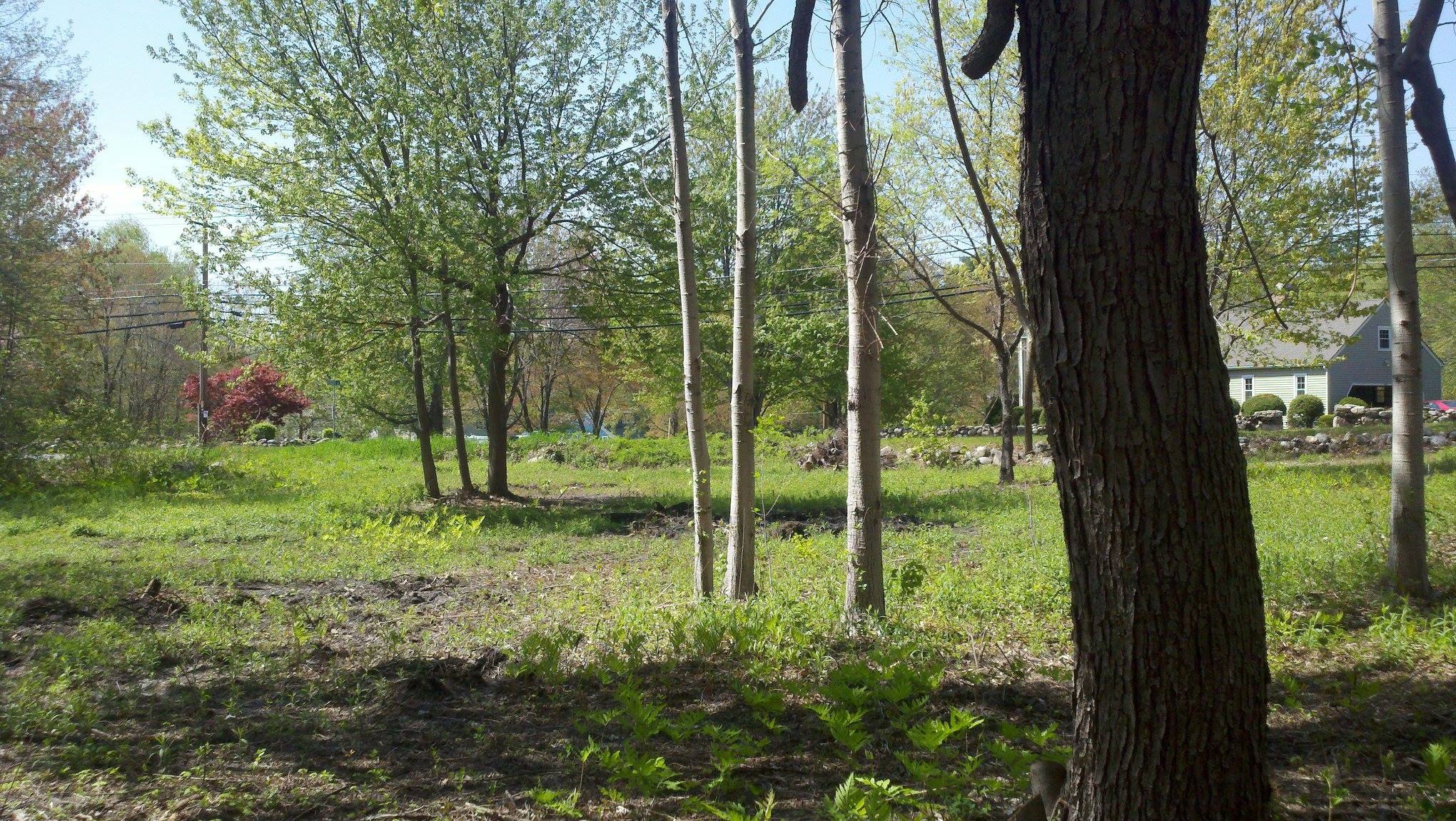
Roberts Field Park 2011