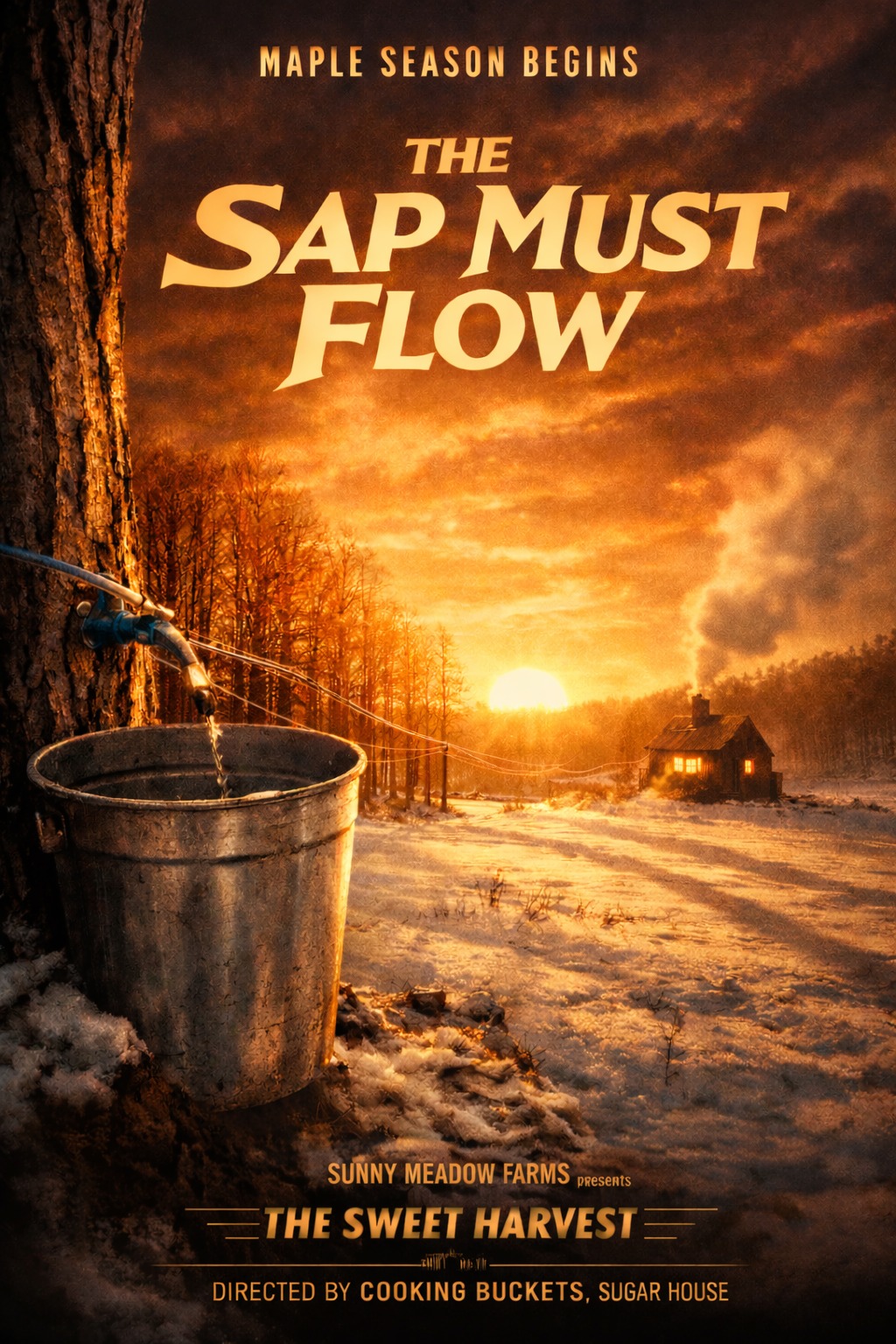
Some of that tapping you hear in the woods right now is not woodpeckers, but the hardy Chelmsford tree sapper. Maple season is waking up, and all signs point to the coming days being the first real opportunity to begin gathering sap.
Local backyard maple syrup makers and a few professional producers are gearing up. While people often think of Maine or Canada when maple syrup comes up, this centuries-old tradition is still very much alive right here in Chelmsford and across Massachusetts and into Rhode Island.
About ten years ago, Town Meeting approved an experimental approach to maple sap production using what is often called the plantation method. Instead of relying only on naturally occurring forest stands, maple trees are grown and managed as an agricultural crop. Over the past decade, a local farmer has carefully tended these trees, installed a sugar shed, and worked within approved town frameworks, including the use of electricity, to support this long-term experiment.
Like many agricultural projects, it has taken patience and adaptation. Some of the planned technology was delayed during the COVID period, but the work continued. The farmer collaborated directly with the individual who pioneered this agricultural growing method to adjust techniques and solve challenges, including multiple visits to Chelmsford to provide hands-on guidance.
Right now is one of the most exciting moments of the year. Next weekend is expected to be especially busy at Sunny Meadow, with taps being installed and new sap lines added. This is real, hands-on work that connects directly to a tradition that goes back hundreds of years. For those who are part of an organized work effort, this is a rare chance to experience maple sugaring up close and see how modern methods blend with historic practices.
For many residents, there is a strong desire to see this work in progress and experience maple season on the ground. At the same time, winter access at the site is more limited than it has been in past years. Snow-covered roads are not always passable, and a recent operational decision has reduced how easily the site can be accessed during winter. This means that seeing the work firsthand may take a bit more patience and flexibility than in the past.
Even with those limitations, there is real energy around sharing this tradition. Photos, stories, and hands-on work opportunities when appropriate help keep maple sugaring visible and understood, even when access is not as simple as it once was.
Maple sugaring remains an important part of Chelmsford’s agricultural and cultural landscape. Watching sap begin to flow is one of the clearest signs that winter is loosening its grip and spring is on the way. The interest and excitement around this moment speak to how deeply people value both the land and the traditions tied to it.
Reviewed for 501(c)(3) compliance.
Shared for educational and historical context. COSS does not speak for or represent the Town of Chelmsford.