From Hot Metal to ADA Access… and What It Really Costs Over Time
Before getting into this, a quick note. COSS is a 501(c)(3) organization. We support improvements to open space and accessibility, but we do not support or oppose any specific articles before this upcoming town meeting. This is simply meant to educate and give some background so people can ask informed questions if they choose.
Now and then something comes through Town Meeting that makes me stop and think a bit deeper. The recent item for additional ADA-accessible equipment at Varney Playground did just that.
At first glance it is easy. Of course we should be doing this. Making sure everyone can use a playground matters. No debate there. COSS supports improvements to open space like this and the continued push toward accessibility.
At the same time, we stay neutral on town meeting articles. This is not about telling anyone how to vote. It is just to help step back and look at the bigger picture, because there may be questions you want answered as these come up.
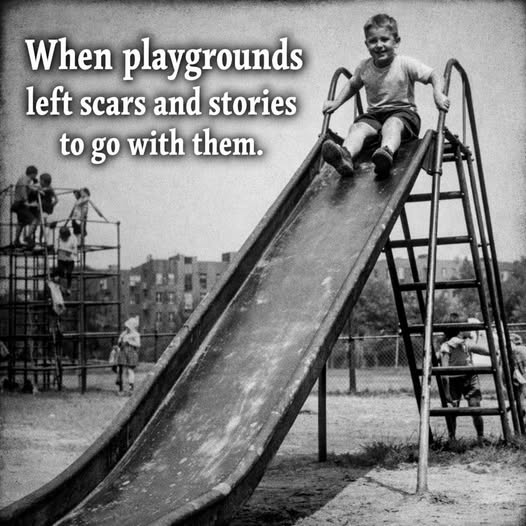
Growing up, playgrounds just… existed. Steel frames, hot metal slides, and asphalt that would take your skin off if you hit it wrong. By today’s standards, they would never pass. But they were there forever. You did not see them getting replaced every 15 or 20 years. They just sat there for decades.
Now everything is different.
Today’s playgrounds are safer, better designed, and built so everyone can use them. That is a good thing. But they also come with a clock on them, and not just one clock, several.
A typical modern playground structure lasts about 15 to 20 years. The plastic climbing systems that get the most use are often in the 10- to 15-year range, depending on sun and use. Swings and moving parts can be shorter. The surfacing is often the first thing to go. Rubber surfaces and even engineered mulch can need major work in 8 to 12 years, sometimes sooner in high-use areas.
And that is where you start to see the cycle.
New equipment comes in. Older pieces are retired. Surfaces get replaced. Mulch gets refreshed, and you cannot just use any mulch anymore. It has to meet specific standards for impact and accessibility. You are not just topping it off; you are maintaining a system.
Then there is the part that does not follow a clean timeline.
Standards change.
Spacing between equipment increases. Fall zones get larger. Accessibility expectations improve. So sometimes something is not being replaced because it failed. It is being replaced because the standard moved.
That is why you can see a place like Heart Pond get touched multiple times over the years. It is not one big replacement. It is a series of adjustments as parts age out and expectations change.
I have even seen some elements get replaced in as little as seven years. That sounded far too fast at first, but when you look closer, it makes sense. The larger plastic structures themselves are usually built to last longer, but high-use components, surfacing, or layout changes can drive earlier work. It is rarely the whole playground. It is pieces of it turning over on a faster cycle.
So instead of one big replacement every 30 or 40 years, what we have now is a rolling system.
At years 8 to 10, you may be dealing with surfacing.
At years 10 to 15, swings and smaller components.
At year 15 to 20, the larger structure.
And at any point along the way, adjustments for safety and accessibility.
That is the system.
Which is why I think it is important, as we look at projects like Varney, to keep asking a few simple questions.
How long will this equipment last?
What other pieces are already aging out?
When will they need to be replaced?
Because when you read into it, you can start to see the pattern. New equipment coming in, older equipment being phased out, surfaces needing attention, and upgrades happening in layers.
There is also a real cost behind that, even if we do not always talk about it in those terms.
A typical playground today might run around $350,000. Over 20 years, that is about $17,500 a year. Add in resurfacing and ongoing work, and you are easily into the low twenty-thousand range annually when you average it out.
That is the cost of doing it right.
The good news is what we get for that. Safer spaces. Better design. And, most importantly, places that everyone can actually use.
The town is taking good steps on a very long road toward full accessibility while also keeping up with ever-changing safety expectations. That is not a one-time project. It is an ongoing commitment.
We have come a long way from hot metal and asphalt. Probably for the better.
But there is a small part of that old world that is gone too. The ability to point at a scar and say, “This was the death slide,” or “Got this one getting shot off the spinning wheel,” or “Fell off the monkey bars and broke my arm.” Some of us are the last generation that can say that and have everyone nod and know exactly what you mean.
Then again… that might be a good thing.
But like everything else, these are no longer “set it and forget it” projects. They are living systems with a cycle, a timeline, and a cost that comes with maintaining them over time.
Do I have playground scars? Yes… a bunch, and most come with great stories. Ask me sometime.
-Phil